.png)
Your boat's dull, chalky finish doesn't mean the hull is damaged. Our proprietary oxidation removal process restores color depth, gloss, and protection in 2 - 6 weeks.
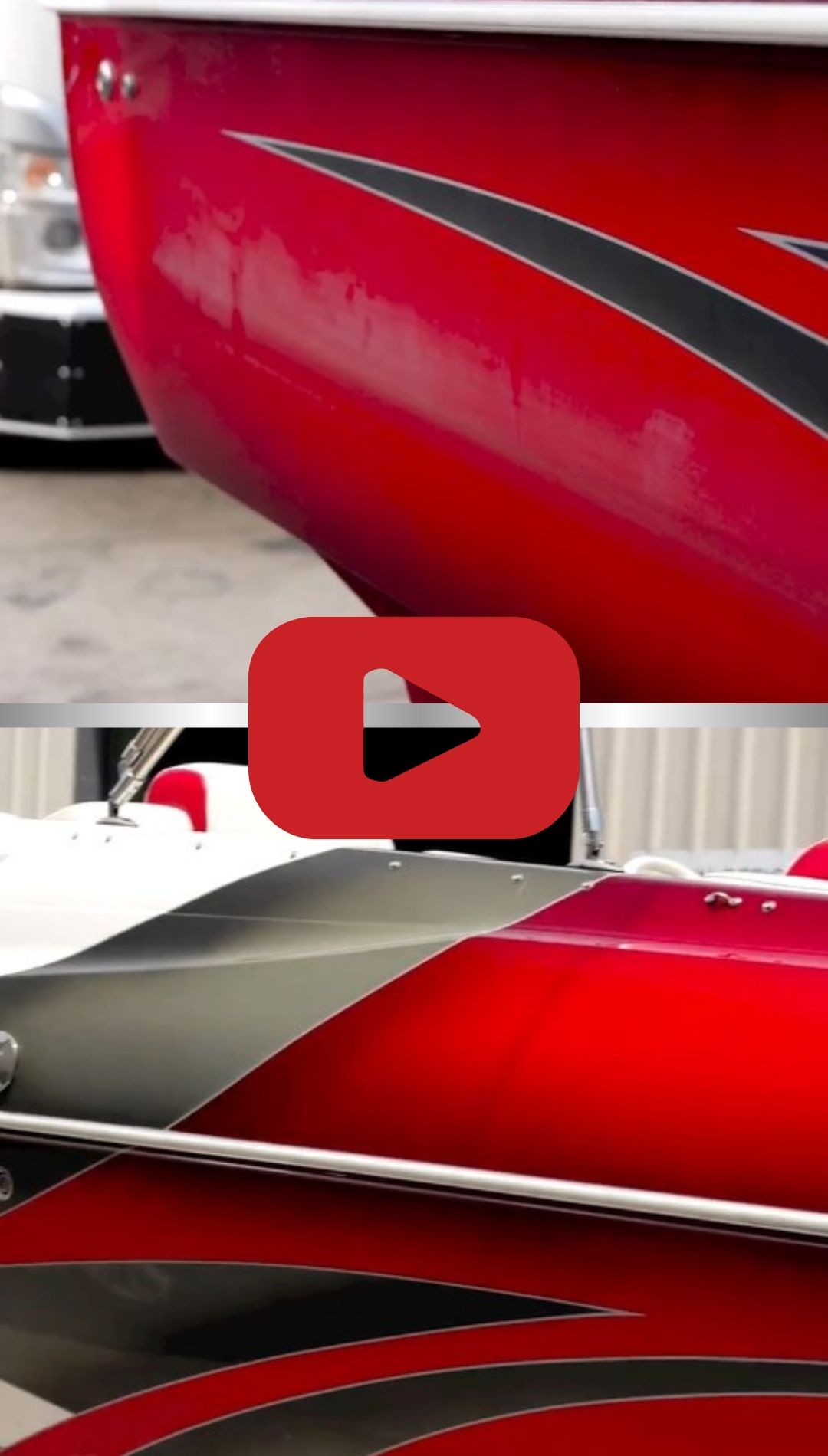
Your boat looks chalky and dull even after a good wash. You tried polishing at home, but the oxidation came back fast. Hard water spots won't come off no matter what product you use. You wonder if the finish is permanently damaged and if an restoration can restore your boat to its former glory.
Most detailers use automotive compounds on your boat's hull. That's a mistake. Gel coat chemistry is different from car paint. DIY oxidation removal kits remove the surface layer but don't address the depth of damage underneath. They leave the underlying oxidation intact, so the chalky look returns within weeks.
Our proprietary oxidation removal formula was developed over 20 years of hands-on fiberglass work. We use a proven multi-stage process - wet sanding to remove dead surface material, compound and polish to restore color and gloss, then ceramic coating to lock in your results. Our dedicated indoor, climate-controlled facility protects your boat throughout the entire restoration. Our team brings over 20 years of combined fiberglass experience. We understand Colorado's unique challenges - the intense UV at 5,000-plus feet elevation, hard water deposits from Front Range reservoirs, and extreme temperature swings that break down gel coat faster than anywhere else.
Explore our Boat Detailing Service Page to learn more about our full range of boat detailing services.
We work on Tige, Centurion, MasterCraft, Malibu, Nautique, Supra, Moomba, Axis, Sea Ray, Cobalt, Chaparral, Bayliner, Bennington, Crest, Sun Tracker, Ranger, Tracker, Skeeter, Lund, Nitro, Tahoe, fishing boats, bass boats, pontoons, day cruisers, sailboats, and watercraft of all sizes. We also repair Yamaha WaveRunners, Sea-Doo, Kawasaki, and any other brand of jet ski.

.jpg)
Our proven six-step process removes oxidation at the source and protects your finish for years to come.
We meet you at our shop and assess the oxidation severity - light, moderate, or heavy. Light oxidation is a dull surface layer. Moderate oxidation has chalky patches and some color loss. Heavy oxidation requires wet sanding to remove deeply etched surface material. We explain what restoration will achieve for your specific hull and answer all your questions before work begins.
We remove algae, mineral deposits, hard water spots, road grime, and salt residue from your hull. This step is critical. Contamination left on the surface interferes with compound adhesion and can scratch the hull during correction work. We use fresh water and marine-safe detergents to prepare the boat for the next stage.
For heavy oxidation, we use controlled wet sanding to remove the oxidized layer and the chalky, dead surface material. This is not aggressive sanding - we use fine-grit paper and light pressure to level the surface without damaging the underlying gel coat. The level of sanding depends on oxidation severity. Light oxidation may skip this step entirely.
We apply our proprietary compound using machine equipment in a controlled, multi-stage approach. The compound removes any remaining oxidation and micro-scratches. A finishing polish brings back color depth, gloss, and clarity. This is where your hull starts to look like new again - the process takes precision and experience.
We apply System X ceramic coating indoors to lock in your restoration results. This marine-grade ceramic creates a durable shield against UV rays, salt spray, hard water, and mineral deposits for 2+ years. The indoor, climate-controlled environment ensures proper curing and a perfect finish.
We rinse the hull with deionized water to eliminate water spots and mineral residue. You and our team walk through the finished boat together. We show you the results, discuss maintenance to keep your hull protected, and answer any final questions.
*Formal written quotes are charged at $175. Gets discounted from final invoice if work is performed.
| Factor | Fiberglass Worx | DIY Kit | Marina Detailer |
|---|---|---|---|
| Process Depth | Multi-stage wet sand, compound, polish, ceramic | Single-stage application only | Surface polish only, no depth |
| Oxidation Formula | 20+ years proprietary R&D, marine-specific | Generic automotive compound | Unknown, often automotive-based |
| Surface Types | Gel coat, polyurethane, Awlgrip, Epifanes | Gel coat only (if at all) | Typically gel coat only |
| Facility | Indoor, climate-controlled protection | None (DIY at dock) | Outdoor or uncontrolled |
| Post-Treatment Protection | Ceramic coating included (2+ years UV defense) | None - oxidation returns in weeks | Optional add-on, often skipped |
| Long-Term Results | Restored gloss and color last 2+ years | Results fade within 4-8 weeks | Results fade within 4-8 weeks |
Your boat's dull finish can be fixed. Tell us what you need and we will handle the rest. Our free estimate is straightforward - no hidden costs, no surprises. Just honest fiberglass work backed by over 200 five-star reviews.
Everything you need to know about boat oxidation removal at Fiberglass Worx.
Cost depends on boat size, hull surface area, and oxidation severity. Light oxidation on a 20-foot boat runs less than heavy oxidation on a 40-foot yacht. We provide free verbal estimates in person so you know the exact cost before we begin work. Call us at (303) 585-0515 or contact us for a free estimate.
Most boats complete oxidation removal in 2 to 6 weeks, depending on size and severity. Heavy oxidation requiring extensive wet sanding takes longer than light oxidation. We keep you updated throughout the process and let you know when your boat is ready for pickup.
Colorado's intense UV radiation at high elevation breaks down the resin binders in gel coat faster than sea level. Hard water minerals from Front Range reservoirs etch into the finish. Extreme temperature swings - hot summers and cold winters - cause repeated contraction and expansion that weakens the gel coat surface. Years of exposure to this combination creates the chalky, dull appearance of oxidized gel coat.
No. Oxidation is a surface and near-surface problem. Our multi-stage oxidation removal process removes the oxidized layer and restores the finish beneath. If the hull has deeper structural damage - cracks, delamination, or soft spots - that's a different issue. Oxidation alone does not permanently damage the boat.
Oxidation removal addresses a dull, chalky surface caused by UV and environmental exposure. Gel coat restoration is used for deeper damage like cracks, crazing, discoloration, or structural issues. If your hull has visible damage beyond dullness, you may need gel coat restoration instead of (or in addition to) oxidation removal.
No, but we recommend it. Ceramic coating locks in your restoration results and protects against future oxidation for 2+ years. Without ceramic coating, your hull can begin oxidizing again within months, especially in Colorado's intense UV environment. It's the difference between a short-term fix and long-term protection.
We remove oxidation from gel coat, marine polyurethane, Awlgrip, and Epifanes finishes. We handle single-engine fishing boats, day cruisers, performance boats like Tige, Centurion, Mastercraft, and Malibu, jet skis, sailboats, and more. Call us if you're unsure whether your boat's finish is one we work on.
Use ceramic coating to shield your hull from UV and environmental damage. Regular rinsing with fresh water removes salt and hard water deposits before they etch into the finish. Store your boat indoors or under cover when not in use. Avoid prolonged sun exposure. Park in shade when possible. These steps combined with quality ceramic coating can keep your hull protected for years.